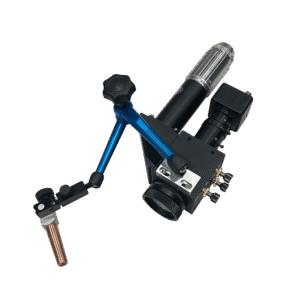
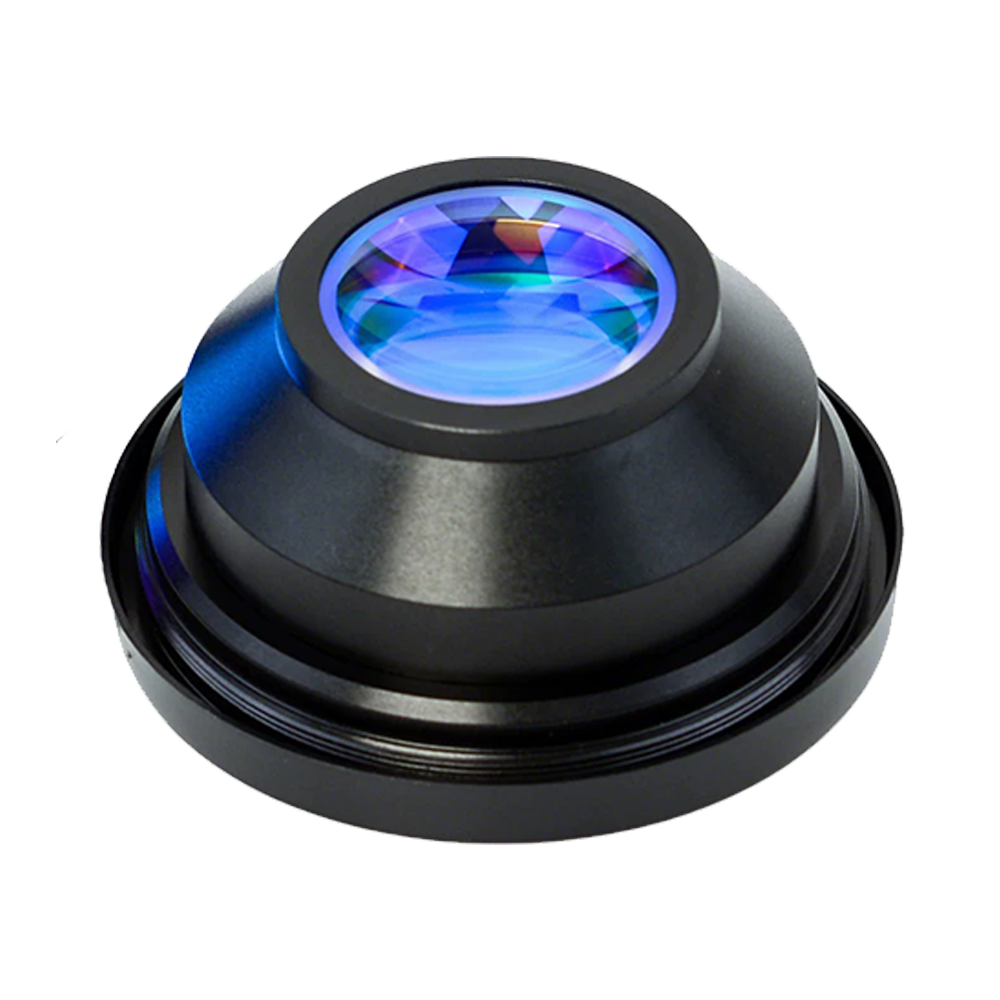
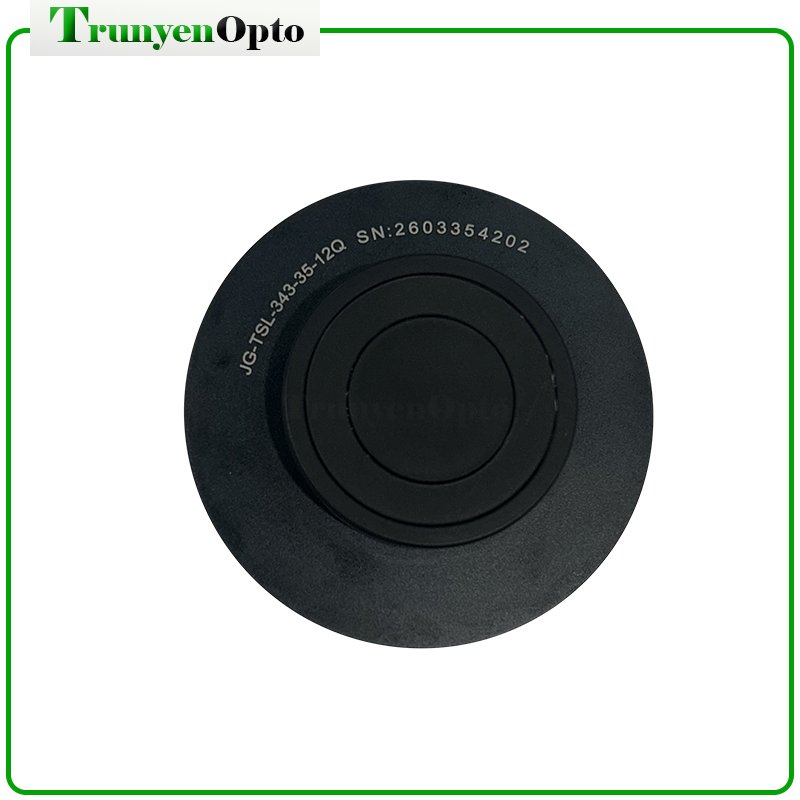
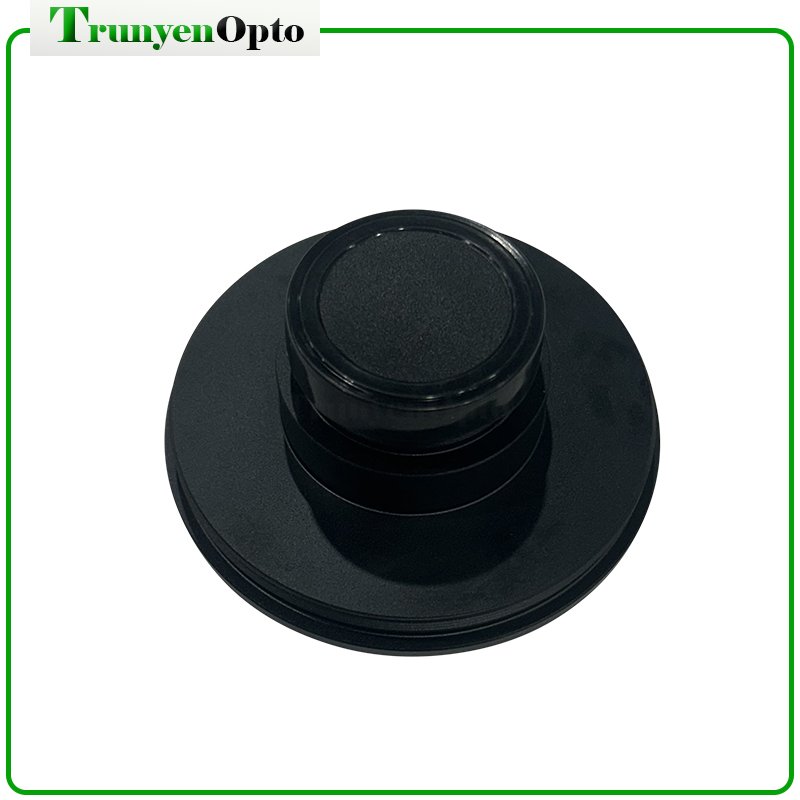
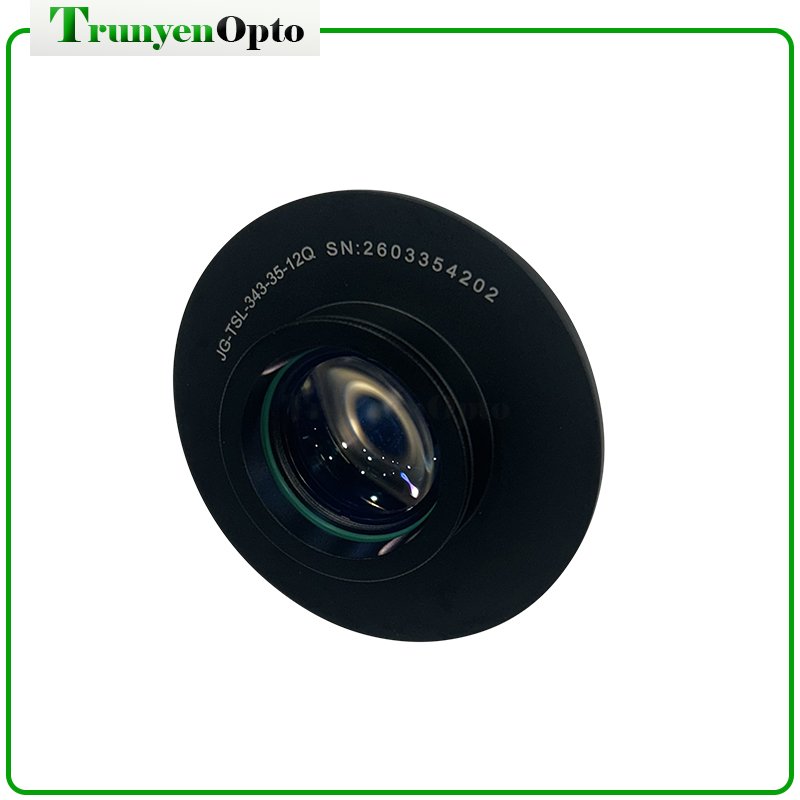
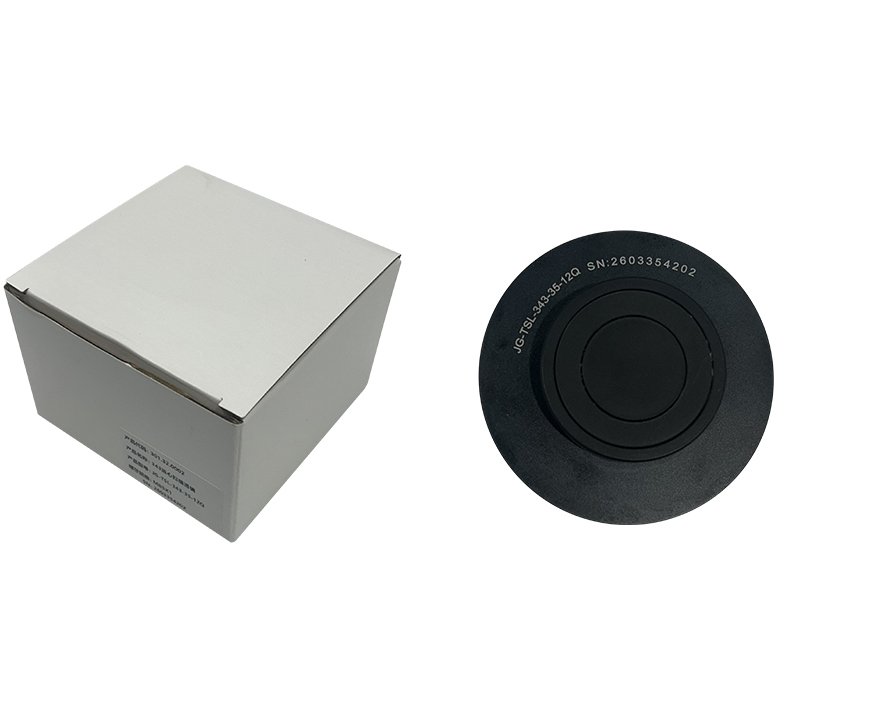
In comparison with traditional F-theta lenses, this femtosecond lens features a specially designed optical system. It ensures that the chief ray of the focused beam remains perpendicular to the focal plane throughout the entire field of view. This design efficiently minimizes spot distortion and reduces drilling angles. These lenses are widely used in laser processing applications such as marking, cutting, drilling, and etching.
Traditional F-theta lenses can suffer from variations in spot size due to field curvature and distortion. This femtosecond lens handles these issues, enhancing spot uniformity and processing precision. It is suited for femtosecond processing applications.
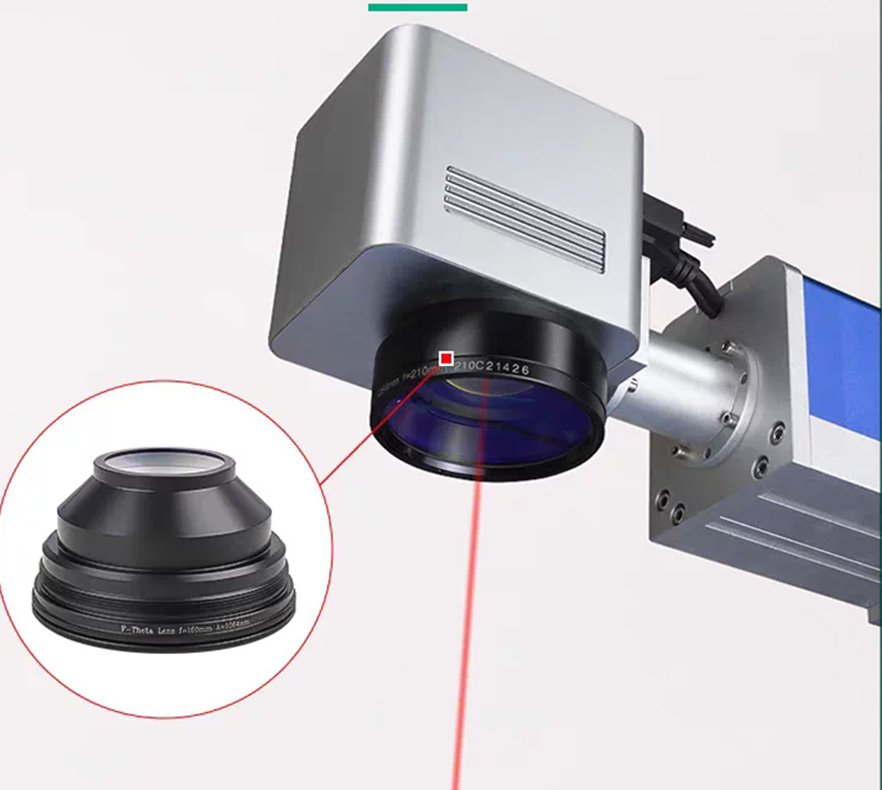
Q: What is a femtosecond lens in a laser marking machine, and what is its function?
A: In a femtosecond laser marking machine, the main focusing part is usually an F-theta lens, also called a field lens. This lens focuses the femtosecond laser beam into a very small, accurately placed spot, enabling precise marking.
Q: What does the term "femtosecond" refer to in the context of a femtosecond lens?
A: “Femtosecond” describes how short the laser’s pulses are—just one femtosecond (fs) is one quadrillionth of a second (10⁻¹⁵ seconds). This term doesn’t describe the lens itself. Instead, it means the lens is made to work with ultrafast lasers that use these extremely brief pulses.
Q: Why must specialized femtosecond lenses be used for femtosecond laser marking?
A: Femtosecond lasers have very high peak power, which regular lenses can’t handle—they’d get damaged right away. Lenses made for femtosecond lasers use specialized coatings and high-quality materials, such as fused silica, so they can withstand these intense bursts of energy and remain reliable over time.
Q: What are the key advantages of femtosecond lenses compared to standard lenses for marking applications?
A: The big advantage of femtosecond lenses is that they let you mark materials without heating them up. Because the laser works so fast, there’s no time for heat to spread, so the area around the mark doesn’t get damaged. This means you don’t get cracks, deformation, or mess—making these lenses great for marking things that can be damaged by heat.
Q: In which high-end marking applications are femtosecond lasers primarily used?
A: Femtosecond lasers are mostly used for jobs that need really high precision and top quality, like these:
Medical industry: Marking medical devices and implants with codes that resist corrosion and are easy to trace.
Precision electronics: Marking semiconductor chips and flexible printed circuits (FPCs) with high accuracy.
Special processing: Engraving invisible QR codes inside glass, making colored marks on stainless steel, and similar tasks.
Q: What are the greatest threats to a femtosecond lens? What conditions can cause it to be damaged?
A: The biggest dangers for femtosecond lenses are getting dirty and being exposed to really strong bursts of electricity.
Femtosecond lasers also have really high peak power. If the lens isn’t high-quality, these strong electrical bursts can break it down and ruin it.
If the lens surface gets dirty, it can absorb laser energy, causing tiny hot spots. These can damage the lens coating or even the lens itself for good.